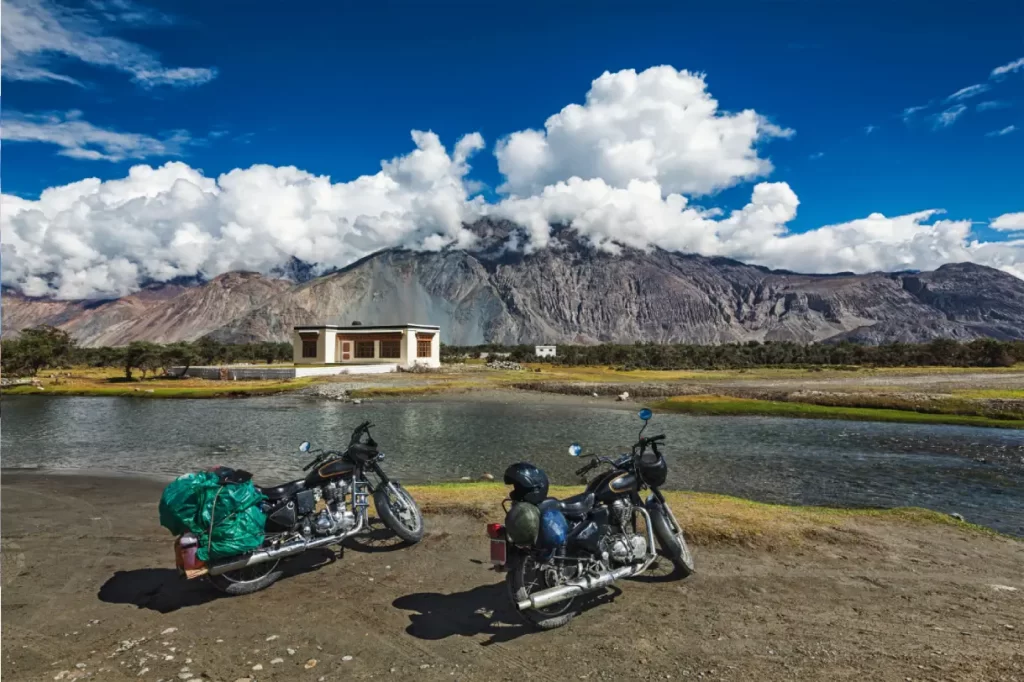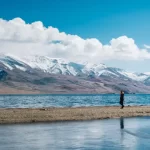
Ladakh is not just a place on the map — it’s a living, breathing experience that transforms with every season. Located high in the Himalayas, this cold desert region offers something extraordinary throughout the year. But here’s the truth: your experience in Ladakh can look drastically different depending on when you visit.
In summer, the high passes open up to adventure bikers and road trippers. Spring brings soft blossoms and solitude. Autumn dresses the valleys in gold, while winter paints the landscape in pristine silence and snow. Even the monsoon, short and unpredictable, brings a rare touch of green to its arid lands.
So, when is the best time to visit Ladakh?
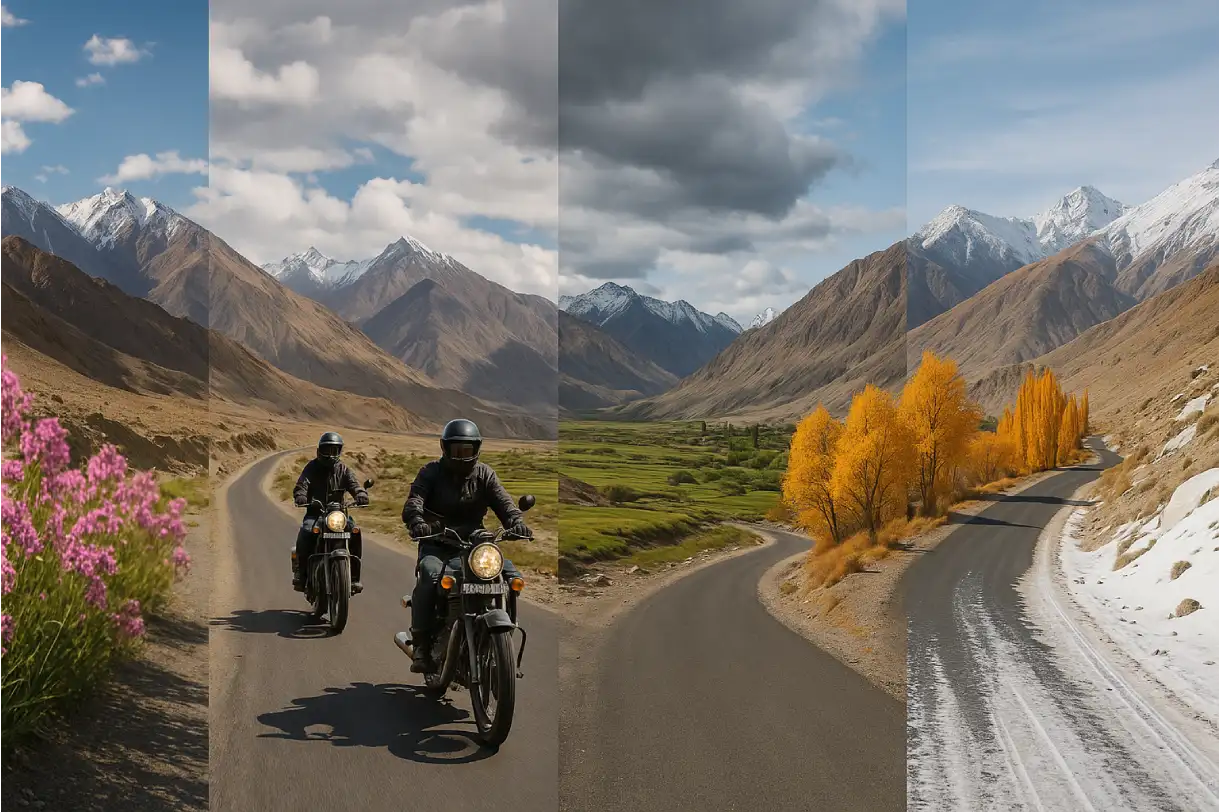
The answer depends entirely on what you seek — cultural exploration, snow-bound adventure, peaceful photography, or a full-throttle road trip. In this blog, we’ll take you through a detailed season-by-season breakdown of Ladakh — highlighting what to expect, pros and cons, and who each season is best suited for.
Let’s explore Ladakh’s changing faces — and help you find the perfect time to go.
Spring (March to April): Ladakh’s Gentle Reawakening
Spring in Ladakh is like watching a frozen world slowly come back to life. As the snow melts and rivers begin to flow again, the brown-and-white landscapes transition into earthy tones, dotted with early blooms of apricot and apple blossoms. The weather remains crisp and cool, especially at night, but the days start getting warmer and more welcoming.
This season marks the beginning of Ladakh’s accessibility. By late March, Leh becomes reachable by air with more consistent flight schedules. By mid to late April, the Srinagar-Leh highway typically reopens, reconnecting Ladakh with the rest of India by road. Tourist footfall is low, which means fewer crowds, quiet monasteries, and cheaper accommodation.
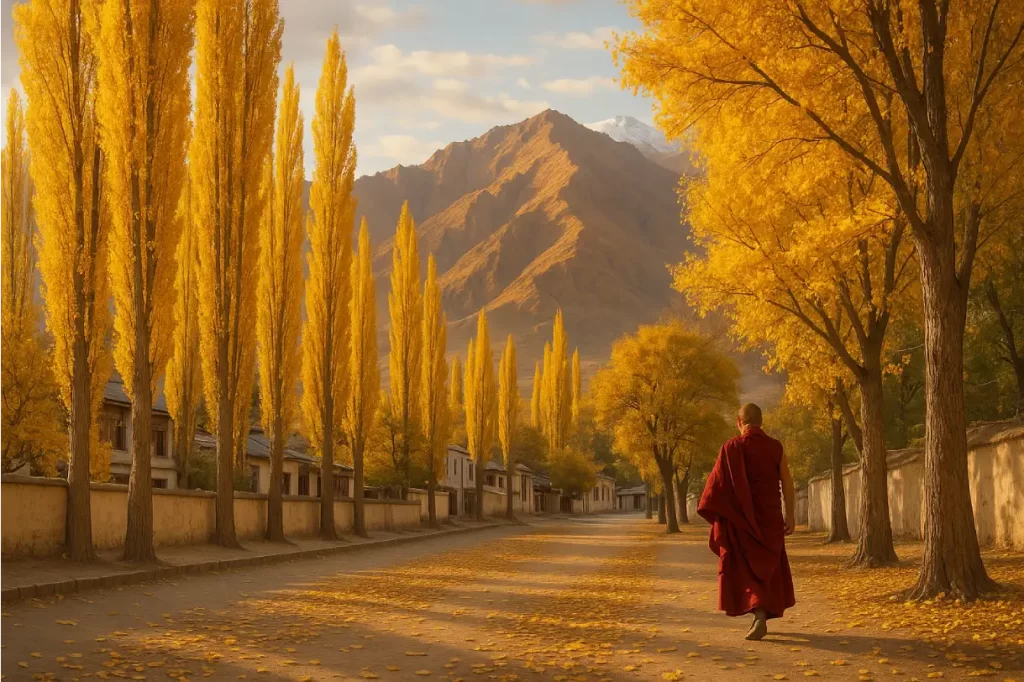
If you’re a photographer or nature lover, spring offers breathtaking contrasts — snow patches beside blooming trees, monks walking along peaceful trails, and crystal-clear skies for panoramic shots. The Sham Valley, Basgo, and Likir are especially beautiful during this time.
However, many high-altitude destinations like Pangong Lake, Tso Moriri, and Nubra Valley might still be inaccessible due to snow. So while the serenity is unmatched, adventure options remain limited.
Best for:
– Photographers and solo travelers
– Those seeking peace, offbeat stays, and nature walks
– Budget travelers looking to avoid peak season rates
Summer (May to August): Ladakh at its Peak
Summer is Ladakh’s grand opening act — the season when everything is alive, accessible, and active. By early May, both the Srinagar-Leh and Manali-Leh highways are usually open, welcoming adventure-seekers, road trippers, bikers, and trekkers from across the world. Snow retreats to the mountain tops, roads are clear, and the sun brings warmth to the cold desert.
This is the best time to explore Ladakh’s famous attractions: Pangong Lake with its ever-changing hues, Nubra Valley with its sand dunes and double-humped camels, Khardung La – one of the highest motorable passes, and the serene beauty of Tso Moriri. Villages bustle with activity, and monasteries host vibrant cultural festivals like Hemis and Yuru Kabgyat.
Accommodation options are abundant and diverse — from luxury campsites near lakes to local homestays in villages. The skies are consistently clear, making it the ideal time for stargazing, photography, and uninterrupted views of the Himalayan landscape.
On the flip side, this is also the busiest season. Tourist crowds peak during June and July, and prices for hotels and transport rise accordingly. Still, the energy and experiences offered during summer are unparalleled.
Best for:
– First-time visitors
– Bikers, campers, and adventure lovers
– Festival seekers and road trip enthusiasts
Monsoon (Late July to Early September): Beauty in the Unexpected
Monsoon in Ladakh is often misunderstood. Though the region lies in a rain-shadow zone and receives very little rainfall, the routes leading to Ladakh — especially via Manali and Srinagar — become prone to landslides, cloudbursts, and occasional disruptions. That said, if you plan well and stay updated on weather conditions, monsoon offers a surprisingly unique travel experience.
The valleys look greener than usual, and the occasional light rain adds a fresh glow to the landscape. Fields in Nubra and Sham Valley become more vibrant, and tourist crowds begin to thin after the summer rush. It’s an ideal time for slow, immersive travel — visiting small villages, indulging in local cuisine, or spending days meditating in monasteries.
Flights to Leh remain unaffected, making air travel a safer and more reliable option during this season. However, travelers should be flexible with their plans in case of sudden route closures or delays.
Adventure activities are limited during this time, but Ladakh’s natural beauty, cultural richness, and peaceful atmosphere still shine through.
Best for:
– Travelers seeking solitude and offbeat experiences
– Writers, artists, and digital nomads
– Monastery stays and cultural immersion
Autumn (Mid-September to October): The Golden Mirage
Autumn is Ladakh’s best-kept secret. As the crowds disappear and the air grows crisp, the region undergoes a golden transformation. Poplar and willow trees lining the roads turn bright yellow, the skies remain brilliantly clear, and the mountain light is softer — ideal for those chasing breathtaking photographs and quiet contemplation.
The roads are still open during this window, and you can comfortably visit high-altitude spots like Pangong Lake, Tso Moriri, and Nubra Valley without peak-season crowds. Local festivals like Ladakh Festival in Leh also take place around this time, offering a beautiful glimpse into Ladakhi traditions through masked dances, cultural parades, and craft fairs.
Accommodation is more affordable, and the hospitality is warmer as locals wind down after the tourist season. This is also the best time for trekking — with clear visibility, stable weather, and manageable temperatures during the day.
However, nights begin to get significantly colder. By the end of October, many guesthouses start closing, and remote routes prepare for winter shutdown.
Best for:
– Photographers and cultural travelers
– Couples seeking scenic and peaceful escapes
– Budget-conscious visitors looking for value
Winter (November to February): The Frozen Silence

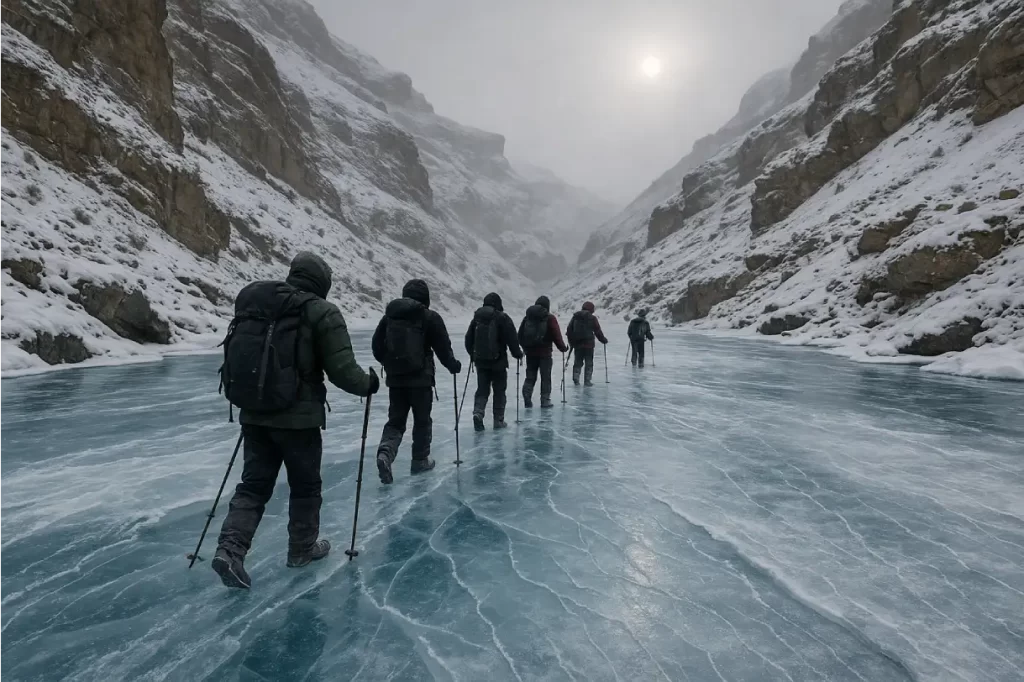
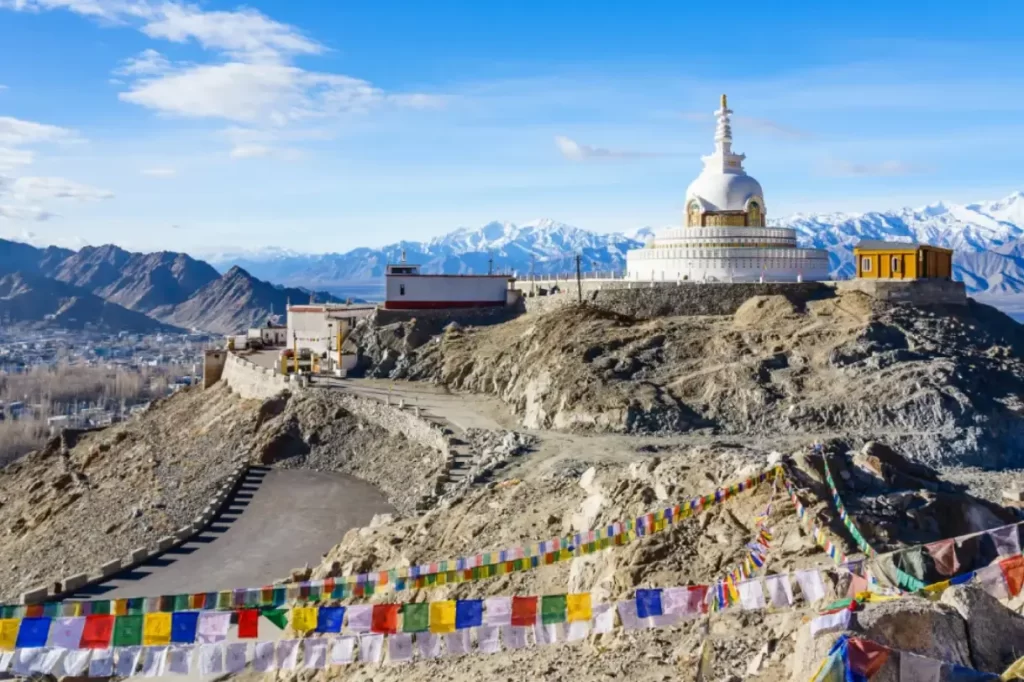
Ladakh in winter is an entirely different world — stark, silent, and spiritually profound. With temperatures often dropping below -20°C, it’s not for the faint-hearted. But for the brave few who visit during these months, the rewards are truly magical: snow-blanketed valleys, silent monasteries, and frozen rivers that look like glass under a pale sun.
Air travel becomes the only viable option, as all road routes (Manali-Leh and Srinagar-Leh) close due to heavy snowfall. Yet, Leh remains accessible via flights and offers a raw, authentic view of Ladakhi life in its most undisturbed form. The famous Chadar Trek — a surreal walk over the frozen Zanskar River — happens only in January and February and attracts extreme adventure lovers from across the world.
Tourist infrastructure is minimal in winter. Most camps, guesthouses, and eateries shut down, except for a few hotels in Leh. Power outages and water freezing in pipes are common. However, those seeking solitude, spirituality, or unfiltered local experiences will find Ladakh’s winter deeply moving.
Best for:
– Hardcore trekkers and adventure seekers
– Photographers capturing Himalayan winterscapes
– Travelers seeking spiritual retreats and authentic village stays
Quick Season-Wise Comparison Table
| Season | Best For | Avg Temp (°C) | Accessibility | Highlights |
|---|---|---|---|---|
| Spring (March–April) | Photography, quiet travel, early blooms | -2 to 15 | Flights only, Srinagar-Leh opens late April | Blossoms, less crowd, melting snow |
| Summer (May–August) | Road trips, biking, cultural festivals | 8 to 25 | All roads and passes open | Full accessibility, Hemis Festival, clear skies |
| Monsoon (Late July–Sept) | Solitude, greenery, local stays | 10 to 20 | Flights stable, road travel risky | Green valleys, fewer tourists, inner peace |
| Autumn (Mid-Sept–Oct) | Photography, trekking, festivals | 5 to 20 | All roads open | Golden foliage, clear skies, Ladakh Festival |
| Winter (Nov–Feb) | Snow treks, solitude, raw beauty | -10 to 5 | Only via air | Chadar Trek, frozen landscapes, calm monasteries |
Frequently Asked Questions
Q. Is it safe to travel to Ladakh year-round?
Yes, but it depends on the season. Summer and early autumn are the safest. Winter and monsoon require more planning and flexibility due to weather and limited access.
Q. What is the best time to visit Ladakh for a road trip?
June to September is ideal. During this window, both Srinagar-Leh and Manali-Leh highways are open, and all major passes are accessible.
Q. When is Ladakh least crowded?
Spring (March–April) and Autumn (September–October) are the best off-season periods, offering peace, great views, and budget-friendly stays.
Q. What is the coldest month in Ladakh?
January is the coldest month, with temperatures often dropping below -20°C, especially in Leh and Zanskar.
Q. Can I do the Chadar Trek anytime in winter?
No, the Chadar Trek is only possible in mid-January to mid-February when the Zanskar River is completely frozen and safe to walk on.
Ladakh’s timeless beauty wears a different face in every season — serene and soulful in spring, thrilling in summer, introspective in monsoon, glowing in autumn, and meditative in winter. The best time to visit Ladakh isn’t the same for everyone — it’s a personal choice shaped by your travel style, expectations, and tolerance for adventure.
Whether you’re a thrill-seeker craving high-altitude treks, a couple dreaming of quiet sunsets over Pangong Lake, or a culture enthusiast hoping to witness vibrant monastery festivals — there’s a perfect season waiting for you.
Choose your season. Book your journey. Let Ladakh transform you.