Exploring Ladakh’s Sacred Spaces
Ladakh, often called the “Land of High Passes,” is not just a destination—it’s a realm of peace, prayer, and profound spirituality. Amid its stark landscapes and towering peaks lie centuries-old Buddhist monasteries that whisper stories of devotion, resilience, and tradition. Whether you’re a spiritual seeker, cultural enthusiast, or adventure traveler, these gompas offer a unique gateway into Ladakh’s soul.
From colorful masked festivals to silent morning chants, every monastery invites you to slow down and reconnect—with nature, history, and yourself. Each one is perched dramatically on cliffs, valleys, or ridges, offering not just spiritual insights but also unforgettable views of the mighty Himalayas.
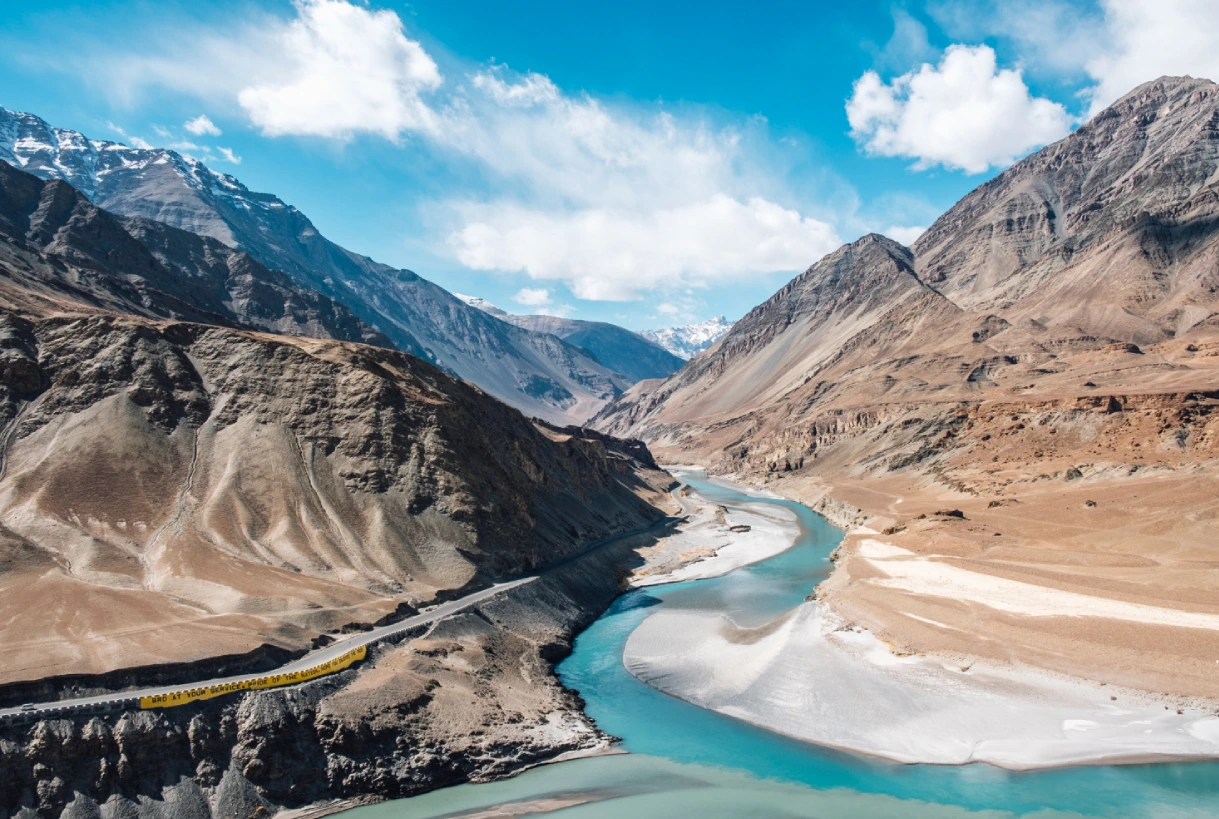
In this blog, we explore eight of the most iconic Buddhist monasteries in Ladakh—destinations where peace is not a concept but a living presence. Whether you’re planning a mindful retreat or a cultural itinerary, these sacred sites deserve a place on your Ladakh journey.
1. Hemis Monastery
The Largest & Richest in Ladakh
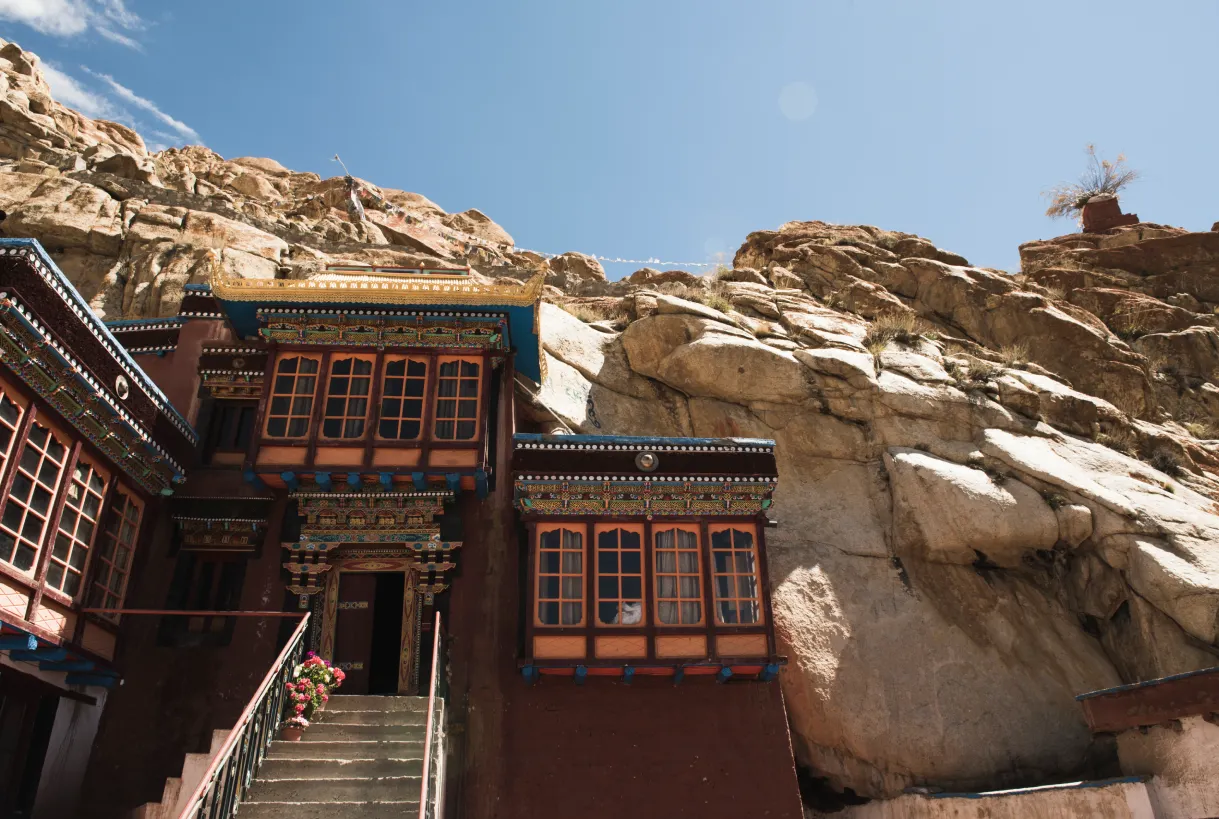
Just 40 km southeast of Leh, hidden in a quiet mountain gorge, lies Hemis Monastery, the largest and wealthiest monastery in all of Ladakh. Established in 1672 by Stagsang Raspa under the patronage of King Sengge Namgyal, Hemis belongs to the Drukpa Kagyu lineage of Tibetan Buddhism. With its massive courtyards, ornate prayer halls, ancient relics, and vibrant festivals, Hemis is more than a monastery—it’s a living museum of Himalayan faith and heritage.
Why Visit Hemis Monastery?
Spiritual and Historical Significance: Dedicated to Guru Padmasambhava (also known as Guru Rinpoche), Hemis plays a vital role in preserving Vajrayana Buddhist traditions in Ladakh. Pilgrims believe the site holds strong spiritual energy, especially around the hidden caves where Padmasambhava is said to have meditated.
Hemis Festival: The monastery comes alive every June or July during the annual Hemis Tsechu, a two-day festival celebrating the birth of Guru Padmasambhava. Monks don colorful silk costumes and elaborate masks to perform Cham dances, which symbolize the victory of good over evil. It’s one of Ladakh’s grandest and most photogenic cultural events.
Rare Artifacts and Museum: Hemis houses a vast collection of Buddhist relics, thangkas (religious scroll paintings), bronze statues, and sacred scriptures. Its on-site museum offers deep insight into Tibetan Buddhist iconography, making it a must-visit for culture enthusiasts and scholars.
Dramatic Setting: Surrounded by rugged cliffs and snowcapped peaks, Hemis offers a quiet, contemplative escape from the tourist trails. Its remote location adds to its aura of mystery and sanctity.
Traveler Tips
Best time to visit: During the Hemis Festival (usually in June or early July).
Getting there: It’s about a 45-minute drive from Leh. Roads are smooth and scenic.
Dress code: Modest attire is recommended; remove shoes before entering the prayer halls.
Etiquette: Speak softly, don’t interrupt prayer sessions, and ask before photographing monks or ceremonies.
Did You Know?
Hemis Monastery is believed to house the largest thangka (religious scroll painting) in Ladakh, which is displayed only once every 12 years during a special ceremony. The next unveiling is considered a highly auspicious event.
2. Thiksey Monastery
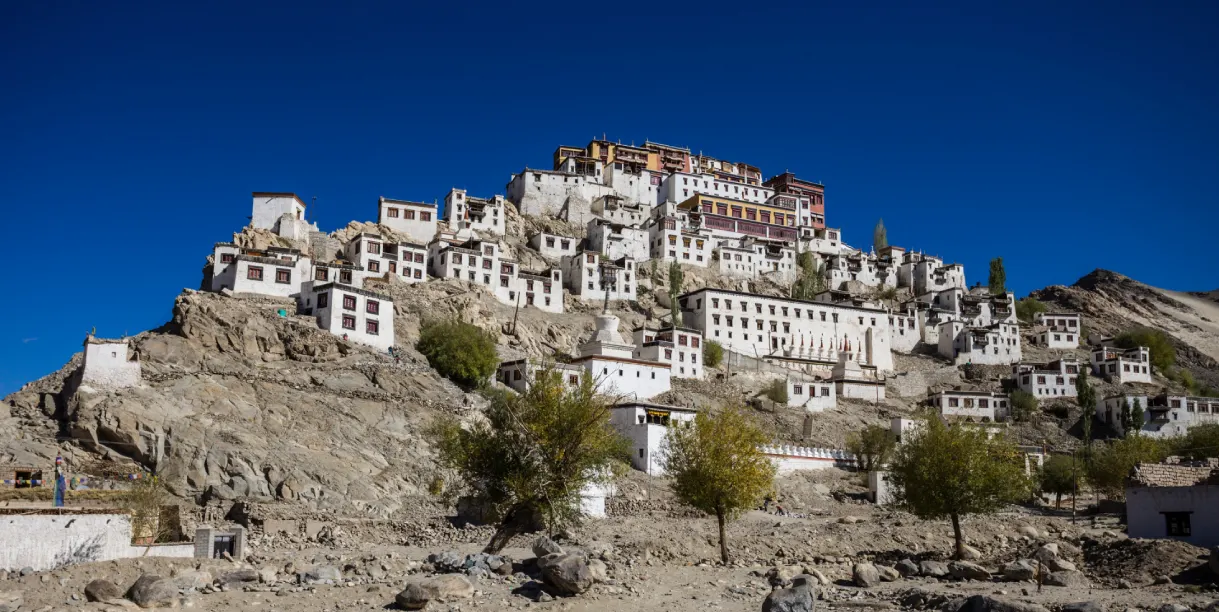
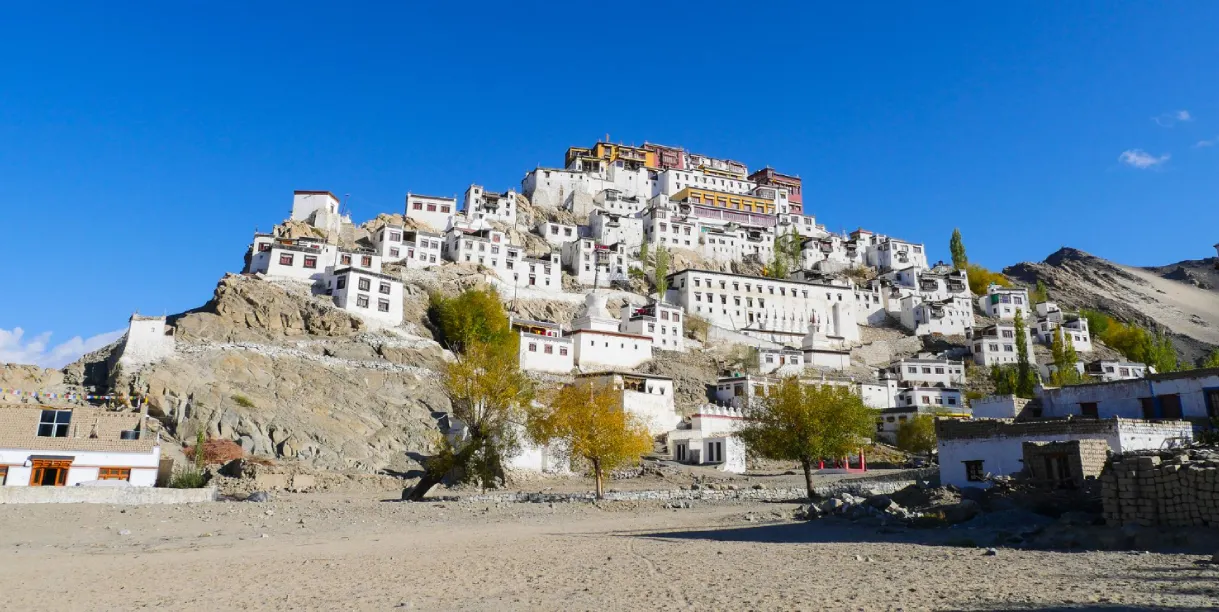
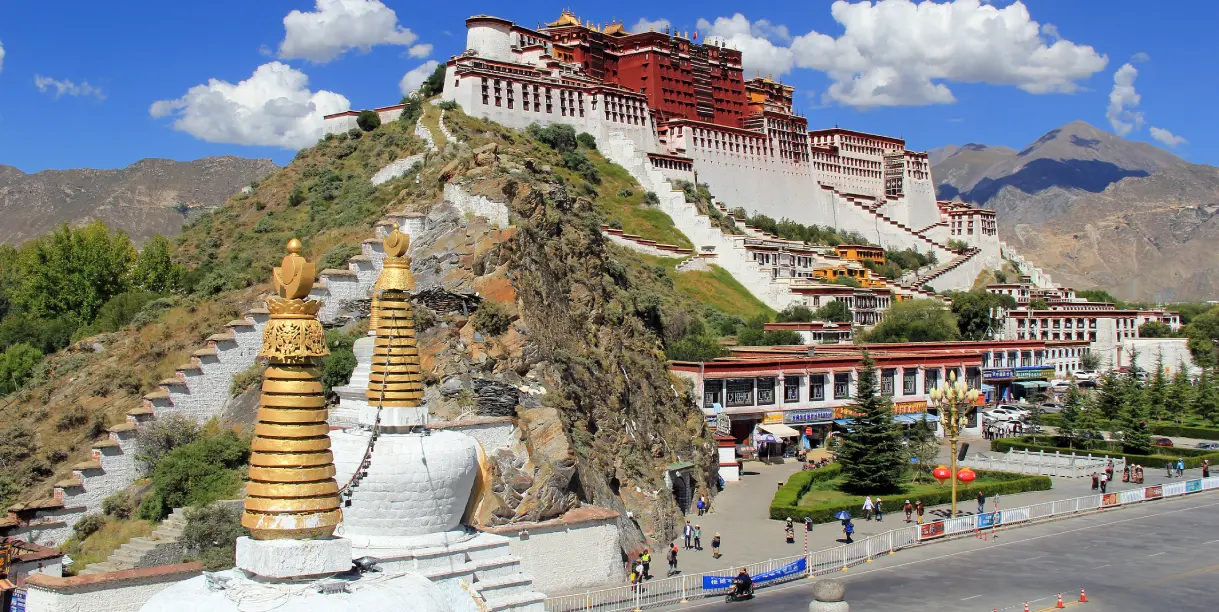
Just 19 km east of Leh, Thiksey Monastery is one of the most visually striking gompas in Ladakh, often referred to as the “Mini Potala Palace” for its resemblance to the grand Tibetan structure in Lhasa. Rising in twelve tiers along a hilltop overlooking the Indus Valley, this 15th-century monastery belongs to the Gelugpa (Yellow Hat) order of Tibetan Buddhism. Thiksey combines architectural beauty with spiritual depth, making it a must-visit for first-time travelers and seasoned explorers alike.
Why Visit Thiksey Monastery?
Majestic Maitreya Buddha Statue: The highlight of Thiksey is its stunning 15-meter high seated Maitreya Buddha, built to commemorate the 14th Dalai Lama’s 1970 visit to Ladakh. Seated across two floors of the monastery, the statue radiates serenity and compassion.
Morning Prayers: Visitors who arrive early can witness the morning prayer ceremony, a powerful spiritual experience. The rhythmic chanting of monks, the sound of horns, and the scent of butter lamps create an unforgettable atmosphere.
Traditional Tibetan Architecture: The monastery is a perfect example of layered, mountain-side Tibetan architecture. Its white-washed buildings and red-roofed prayer halls stand out against the rugged backdrop of the Zanskar range.
Panoramic Views: From the top, you’re treated to sweeping views of the Indus River Valley, snow-covered peaks, and golden fields. The location is ideal for photographers and peace-seekers alike.
Traveler Tips
Arrive by 6:30–7:00 AM to catch the morning prayer session.
Combine it with visits to Shey Palace or Stakna Monastery nearby.
Photography is allowed outside and in designated areas inside.
Respect silence during rituals and avoid using flash.
Did You Know?
Thiksey Monastery is home to over 100 monks and also runs a school that teaches young novice monks both modern education and traditional Buddhist philosophy.
3. Diskit Monastery
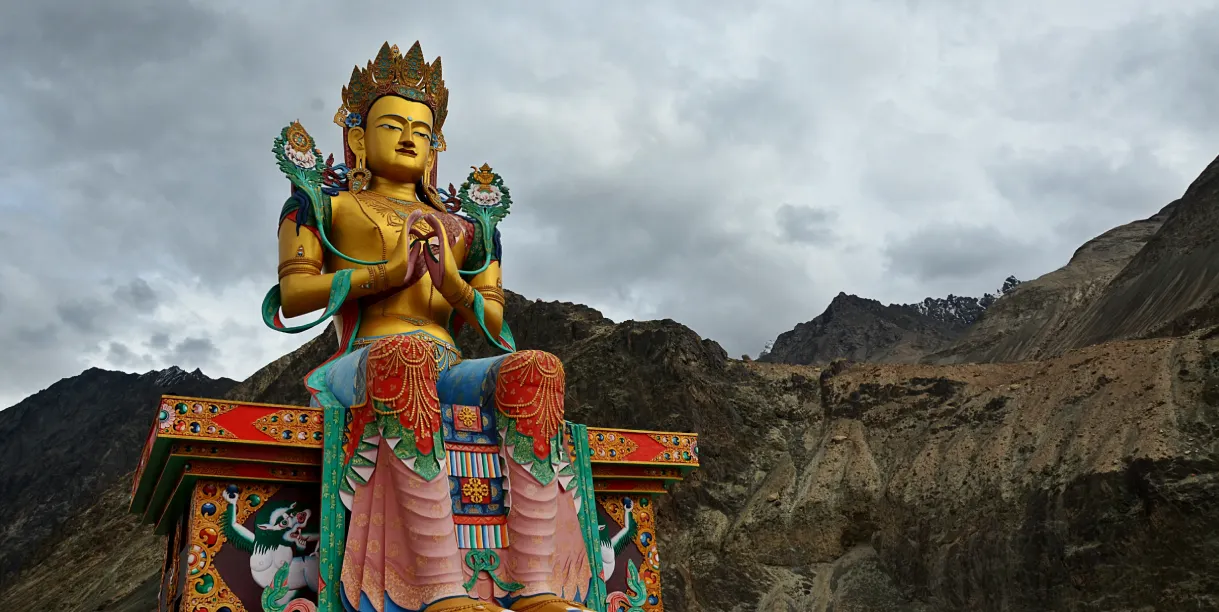
Located in the heart of Nubra Valley, around 120 km north of Leh, Diskit Monastery is the oldest and largest monastery in the region. Perched dramatically on a hill overlooking the Shyok River, it offers a breathtaking combination of history, spirituality, and panoramic desert-mountain views. Founded in the 14th century by Changzem Tserab Zangpo, a disciple of Tsongkhapa (founder of the Gelugpa order), Diskit is a powerful spiritual landmark surrounded by surreal landscapes.
Why Visit Diskit Monastery?
Iconic Maitreya Buddha Statue: Just below the monastery stands a 106-foot tall golden statue of Maitreya Buddha, facing the Shyok River and Pakistan beyond. Built in 2010, it symbolizes peace and protection for the region.
Cultural and Historical Depth: The main prayer hall houses an ancient statue of Cho Rinpoche (Crowned Buddha), frescoes depicting Buddhist guardian deities, and Tibetan-style thankas. The monastery is still active and is a hub for learning and rituals in Nubra.
Dosmoche Festival: Held in February, this festival features sacred Cham masked dances and is an important winter celebration in Nubra Valley.
Stunning Surroundings: The monastery offers panoramic views of Nubra’s rare landscape—a blend of sand dunes, barren cliffs, and snowy Himalayan peaks. It’s especially magical during sunrise or suns
Traveler Tips
Best visited en route to or from Hunder sand dunes or Turtuk village.
Mornings offer the best light for photography and quiet reflection.
The roads via Khardung La can be steep—check acclimatization before heading north.
Entry is free; donations are welcome.
Did You Know?
The Maitreya Buddha statue at Diskit was constructed with support from local donations and symbolically faces the Pakistan border to promote peace and compassion across frontiers.
4. Alchi Monastery
Unlike the cliff-perched monasteries common across Ladakh, Alchi Monastery sits quietly on the flat banks of the Indus River, about 66 km west of Leh. Built in the 11th century by the revered translator-scholar Rinchen Zangpo, Alchi is one of the oldest surviving monastic complexes in the region. Its true significance lies not in its size or elevation—but in the extraordinary Indo-Himalayan Buddhist art that has remained preserved for nearly a thousand years.
Why Visit Alchi Monastery?
Ancient Murals and Frescoes: Alchi houses some of the finest examples of Kashmiri-influenced Buddhist art in all of Ladakh. The faded yet stunning wall paintings depict scenes from Buddhist cosmology, gods, goddesses, and celestial beings—crafted with astonishing detail and color.
Architectural Uniqueness: The monastery is made up of several small temples and chortens. Unlike other Ladakhi gompas, its design is more Kashmiri-Himalayan, with wooden beams, carved columns, and low mud-walled halls.
Tranquil Setting: Far from the usual tourist circuits, Alchi offers a peaceful, contemplative atmosphere. The sound of the Indus River nearby adds to the serenity of the experience.
Cultural Preservation: Managed by the monks of Likir Monastery, Alchi is no longer a functioning monastic residence. It stands today as a preserved monument of Buddhist heritage and artistry.
Traveler Tips
Photography inside temples is prohibited to protect the fragile artwork.
Combine your visit with a day trip that includes Basgo and Likir Monasteries.
Visit early morning or late afternoon for softer lighting and fewer tourists.
Did You Know?
Alchi’s murals are believed to be among the few surviving artworks from the second diffusion of Buddhism into Ladakh, making them over 900 years old—older than any in Lhasa or Tibet.
5. Lamayuru Monastery
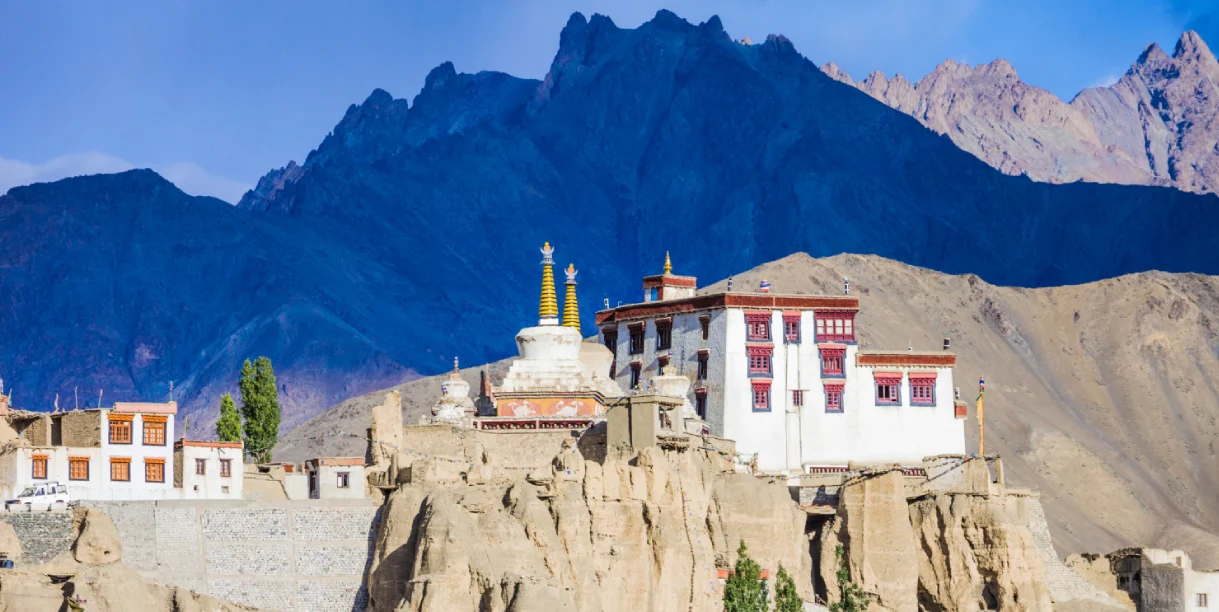
Perched on a rocky outcrop amid a surreal landscape, Lamayuru Monastery is one of the most dramatically located and oldest monasteries in Ladakh. Situated about 125 km west of Leh on the Leh–Srinagar highway, it is fondly known as the “Moonland Monastery” due to the surrounding terrain that resembles the surface of the moon. Believed to have been founded in the 11th century by Mahasiddha Naropa, Lamayuru is steeped in mysticism, legend, and breathtaking beauty.
Why Visit Lamayuru Monastery?
Unique Moon-like Terrain: The monastery overlooks an eroded landscape of ridges and canyons that create a naturally bizarre and beautiful “lunar” look. It’s unlike anything else in Ladakh and offers stunning photo opportunities.
Spiritual Heritage: Lamayuru belongs to the Drikung Kagyu school of Tibetan Buddhism. Its ancient prayer halls, meditation caves, and centuries-old relics offer insight into monastic life that dates back nearly a millennium.
Yuru Kabgyat Festival: Every summer, Lamayuru hosts this vibrant festival featuring Cham masked dances, where monks embody guardian deities to dispel evil and bring peace. It’s a beautiful blend of performance, faith, and cultural tradition.
Secluded Atmosphere: Despite being on a major highway, Lamayuru remains quieter than other popular monasteries, ideal for spiritual travelers seeking solitude.
Traveler Tips
Best visited between May and September; roads are open and weather is pleasant.
Stop at Lamayuru on your way to or from Kargil or Srinagar.
No entry fee; however, donations help with maintenance.
Stay overnight in the nearby village to catch sunrise views over the moonland.
Did You Know?
According to local legend, the valley where Lamayuru now stands was once a lake. It is said that Naropa drained the lake by invoking supernatural powers to build the monastery on its bed—hence the barren, moon-like surface.
6. Phyang Monastery
Located just 16 km west of Leh, Phyang Monastery is often overlooked by mainstream travelers, making it a peaceful alternative to the more frequented gompas. Founded in the early 16th century under the Drikung Kagyu lineage of Tibetan Buddhism, Phyang combines spiritual depth, rare art, and sweeping views of the Ladakhi landscape. With fewer crowds and wide open spaces, this monastery offers a calm, unhurried experience perfect for meditation and reflection.
Why Visit Phyang Monastery?
Offbeat Spiritual Experience: Unlike Hemis or Thiksey, Phyang remains relatively quiet year-round. This makes it ideal for spiritual seekers or travelers hoping to sit in stillness or attend low-key rituals in a serene setting.
Rich Wall Paintings & Relics: The inner sanctum of Phyang houses vivid 15th–17th century murals depicting scenes from Buddhist cosmology. You’ll also find ancient manuscripts, bronze statues, and protective deities guarding the shrines.
Phyang Tsedup Festival: Held annually in July or August, this two-day festival showcases masked Cham dances, traditional music, and vibrant community participation. It’s smaller but more intimate than Hemis Festival.
Open Landscapes & Panoramic Views: The monastery sits on a gentle hill overlooking golden fields, with snowcapped peaks in the distance. It’s a fantastic spot for peaceful walks and sunrise photography.
Traveler Tips
Easy to visit as a half-day trip from Leh.
Early morning is best for light and solitude.
There’s a small café and guesthouse near the entrance if you wish to stay longer.
Wear shoes you can remove easily—most prayer halls require it.
Did You Know?
Phyang is one of the only monasteries in Ladakh that maintains a full-fledged school for young monks, teaching them both Buddhist philosophy and modern education.
7. Stakna Monastery
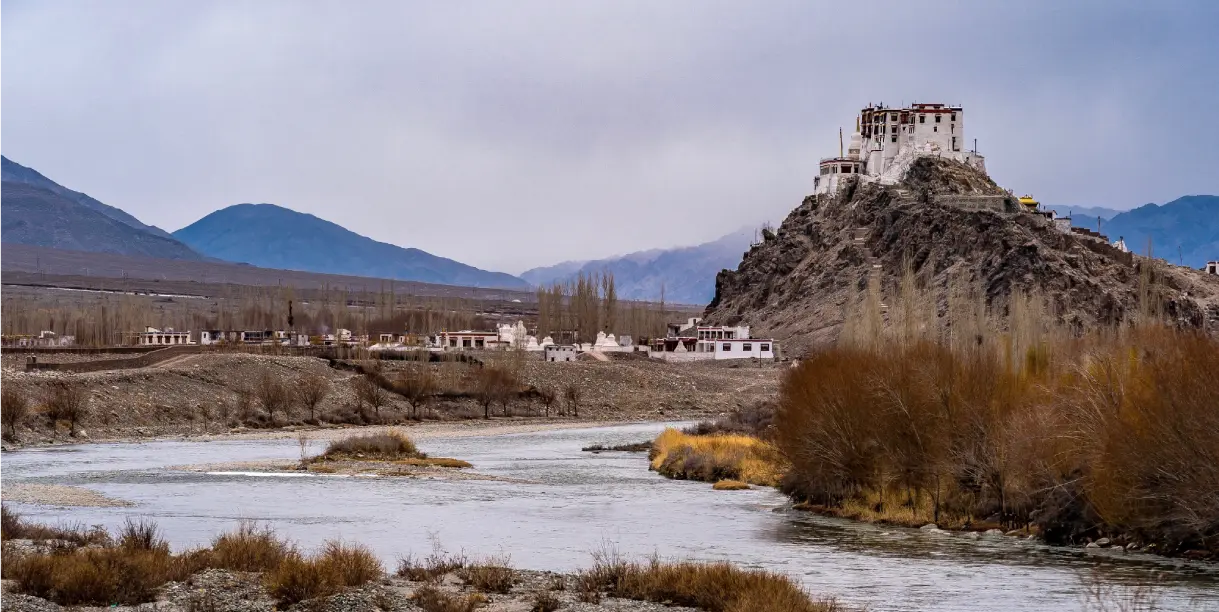
Perched atop a narrow hill shaped like a tiger’s nose, Stakna Monastery offers one of the most scenic and peaceful monastic experiences in Ladakh. Located around 25 km south of Leh, on the banks of the Indus River, this small but striking gompa belongs to the Bhutanese Drukpa Kagyu order, making it one of the few monasteries in Ladakh with Bhutanese lineage. For those seeking quietude, riverside views, and offbeat charm, Stakna is a hidden treasure.
Why Visit Stakna Monastery?
Unbeatable Location: The monastery overlooks the meandering Indus River, with panoramic views of green valleys and towering mountains in the background. The surrounding silence and vistas make it ideal for meditation and photography.
Bhutanese Influence: Stakna is the only monastery in Ladakh affiliated with Bhutanese traditions. The main assembly hall contains vibrant paintings, a silver-gilded stupa, and images of Guru Padmasambhava, highlighting cross-Himalayan Buddhist ties.
Peaceful Atmosphere: Unlike more popular gompas, Stakna sees very few tourists. This quietness enhances the spiritual vibe—perfect for mindful travel and solo introspection.
Small Monastic Community: Stakna is home to a modest number of monks who continue to uphold daily rituals and teachings in a simple, grounded environment.
Traveler Tips
Combine your visit with Thiksey and Shey Monasteries in a single-day circuit from Leh.
No entry fee; donations are appreciated.
Ideal time to visit is during early morning for soft light over the Indus River.
Road is accessible year-round, though slightly steeper near the entrance.
Did You Know?
The name “Stakna” means “Tiger’s Nose” in Ladakhi, inspired by the unique shape of the hill it’s built upon. According to legend, Guru Padmasambhava subdued a tiger demon here before establishing the site.
8. Likir Monastery
– Peace Among the Peaks
Situated about 53 km west of Leh, Likir Monastery is one of Ladakh’s most picturesque and spiritually active gompas. Founded in the 11th century by Lama Duwang Chosje under the reign of King Lhachen Gyalpo, Likir belongs to the Gelugpa (Yellow Hat) sect of Tibetan Buddhism. The monastery sits on a gentle hilltop surrounded by rolling mountains, offering a perfect blend of monastic tradition, scenic charm, and peaceful retreat.
Why Visit Likir Monastery?
Giant Maitreya Buddha Statue: Towering at 75 feet, a golden outdoor statue of Maitreya (Future Buddha) greets visitors at the monastery’s entrance. Its serene expression and elevated perch make it a popular photo and prayer spot.
Active Monastic Life: Likir is home to an active community of over 100 monks and a vibrant monastic school. Visitors often witness students engaged in prayer recitation, debate, or traditional studies.
Impressive Assembly Hall: The main prayer hall (Dukhang) houses exquisite thangkas, old manuscripts, and statues of deities like Avalokiteshvara and Tsongkhapa. The interiors are colorful, spiritual, and rich in iconography.
Peaceful Location: Less touristy than Hemis or Thiksey, Likir offers a calm and uncrowded environment—perfect for quiet reflection with sweeping views of Ladakh’s valleys and peaks.
Traveler Tips
Best visited in the late morning or early afternoon to catch both sunlight and monastic activity.
The road from Leh to Likir is smooth and scenic, often combined with stops at Alchi and Basgo.
Respect local customs and avoid photographing prayer sessions without permission.
A small café near the monastery serves tea and light snacks.
Did You Know?
Likir Monastery was once affiliated with the Kadampa school of Buddhism, but later embraced the Gelugpa lineage. It is one of the few Ladakhi gompas that has remained continuously active since its founding over 900 years ago.
General Travel Tips for Visiting Monasteries in Ladakh
Ladakh’s monasteries are more than tourist spots—they are living spiritual centers, deeply respected by locals and monks alike. To make the most of your visit and ensure a culturally sensitive experience, keep these tips in mind:
Dress Modestly: Cover your shoulders and knees. Long pants and sleeved tops are recommended for both men and women.
Remove Shoes: Always take off your shoes before entering prayer halls or temples.
Be Quiet and Respectful: Speak softly, especially during prayers. Don’t interrupt monks in meditation or rituals.
Photography: Always ask before clicking pictures inside temples. Flash photography is generally discouraged.
Timing Matters: Early mornings are best for quiet visits and witnessing prayer ceremonies. Many monasteries open by 6:00–7:00 AM.
Festival Dates: Plan your trip around famous festivals like Hemis Tsechu or Dosmoche for a vibrant cultural experience.
Acclimatization: Many monasteries are located at high altitudes. Spend a day or two in Leh before heading out to prevent altitude sickness.
Local Guides: Consider hiring a local guide—they enrich your experience with legends, meanings, and historical context.
Exploring Ladakh’s monasteries with awareness and reverence will not only deepen your appreciation but also honor the faith and traditions that have thrived here for centuries.
Finding Peace in the Land of Monasteries
Ladakh is not just a place you visit—it’s a place that transforms you. From the chanting halls of Hemis to the moonlit silence of Lamayuru, every monastery in this high-altitude desert tells a story of resilience, devotion, and harmony. These sacred spaces are more than architectural wonders; they are gateways to inner peace, offering a rare chance to disconnect from the noise of the world and reconnect with yourself.
Whether you’re drawn by the sound of spinning prayer wheels, the wisdom of ancient murals, or the kindness of monks offering butter tea, Ladakh’s monasteries welcome all who come with open hearts. Each visit leaves behind more than a memory—it leaves you lighter, clearer, and somehow more grounded.
So, when you plan your journey to this Himalayan wonderland, don’t just tick off destinations. Sit. Listen. Reflect. The mountains will speak, and the monasteries will answer.
Start planning your Ladakh monastery trail today—and let the silence lead you.